Database Relationship คืออะไร? คู่มือออกแบบความสัมพันธ์ฐานข้อมูลฉบับเข้าใจง่าย
เรียนรู้การออกแบบ Relationship ในฐานข้อมูล ตั้งแต่ One-to-One, One-to-Many, Many-to-Many ไปจนถึง Normalization และ Foreign Key พร้อมตัวอย่างจริงที่เข้าใจง่าย
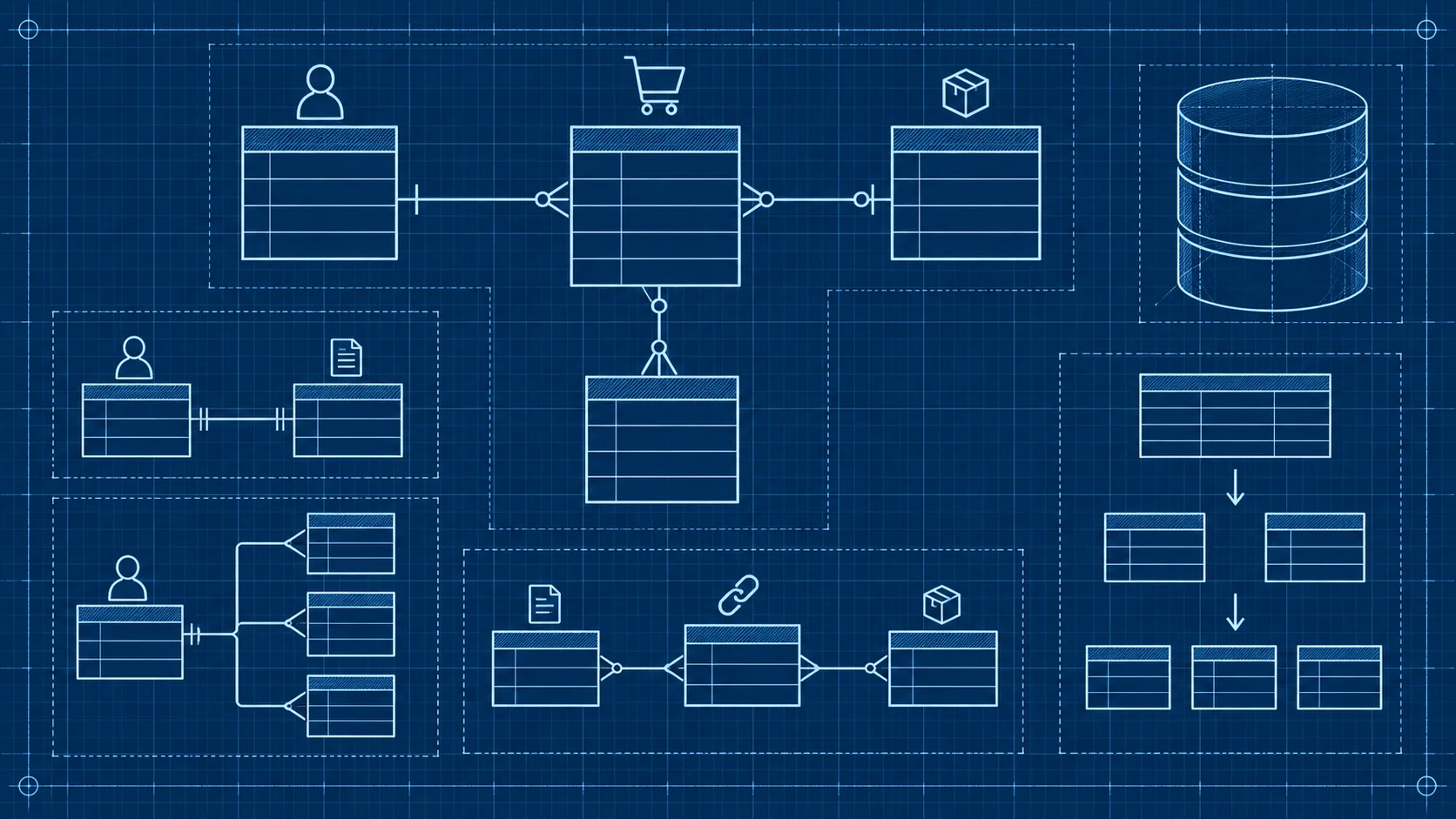
Database Relationship คืออะไร คู่มือออกแบบฐานข้อมูลที่นักพัฒนาต้องรู้
ถ้าคุณเป็นนักพัฒนาที่ทำงานกับฐานข้อมูล เรื่องหนึ่งที่ขาดไม่ได้เลยคือการออกแบบ Relationship หรือความสัมพันธ์ระหว่างตารางต่างๆ การออกแบบที่ดีจะทำให้ระบบทำงานเร็ว ข้อมูลไม่ซ้ำซ้อน และขยายตัวได้ง่ายในอนาคต ส่วนการออกแบบที่แย่จะสร้างปัญหาตามมาไม่รู้จบ มาเรียนรู้กันตั้งแต่พื้นฐาน
ทำความเข้าใจ Relational Database
ฐานข้อมูลเชิงสัมพันธ์เก็บข้อมูลในรูปแบบตารางที่มีแถวและคอลัมน์ จุดเด่นคือความสามารถในการสร้างความสัมพันธ์ระหว่างตาราง ทำให้ข้อมูลที่เกี่ยวข้องกันเชื่อมโยงถึงกันอย่างเป็นระบบ ฐานข้อมูลที่นิยมใช้ ได้แก่ MySQL, PostgreSQL, MariaDB และ Microsoft SQL Server ซึ่งล้วนใช้หลักการออกแบบ Relationship เดียวกัน
ขั้นตอนการออกแบบ Relationship ที่ถูกต้อง
การออกแบบที่ดีต้องเริ่มจากการทำความเข้าใจความต้องการของระบบก่อน
ขั้นแรกคือการระบุ Entity สิ่งที่ต้องการเก็บข้อมูล เช่น ในระบบ E-commerce จะมี สมาชิก สินค้า คำสั่งซื้อ หมวดหมู่สินค้า แต่ละ Entity จะกลายเป็นตารางในฐานข้อมูล
ขั้นที่สองคือการระบุ Attributes หรือคุณสมบัติของแต่ละ Entity เช่น ตารางสมาชิกอาจมีชื่อ อีเมล เบอร์โทร ที่อยู่ ตารางสินค้าอาจมีชื่อสินค้า ราคา จำนวนคงเหลือ
ขั้นที่สามคือการกำหนด Primary Key สำหรับแต่ละตาราง ซึ่งเป็นคอลัมน์ที่มีค่าไม่ซ้ำกัน ใช้ระบุแถวแต่ละแถวอย่างเป็นเอกลักษณ์ นิยมใช้ ID แบบตัวเลขเรียงลำดับอัตโนมัติ หรือ UUID สำหรับระบบที่ต้องการความปลอดภัยมากขึ้น
ประเภทของ Relationship ที่ต้องรู้
One-to-One (1:1)
Entity หนึ่งเชื่อมต่อกับอีก Entity ได้เพียงหนึ่งเดียว ตัวอย่างเช่น ผู้ใช้กับโปรไฟล์ ผู้ใช้หนึ่งคนมีโปรไฟล์เดียว ความสัมพันธ์แบบนี้มักใช้เมื่อต้องการแยกข้อมูลที่ไม่ค่อยถูกเรียกใช้ออกจากตารางหลักเพื่อเพิ่มประสิทธิภาพ
One-to-Many (1:M)
เป็นความสัมพันธ์ที่พบบ่อยที่สุดในการออกแบบฐานข้อมูล ลูกค้าหนึ่งคนมีคำสั่งซื้อได้หลายรายการ แต่คำสั่งซื้อแต่ละรายการเป็นของลูกค้าคนเดียว การสร้างความสัมพันธ์แบบนี้ทำได้โดยเพิ่ม Foreign Key ในตารางฝั่ง Many ที่อ้างอิงไปยัง Primary Key ของตารางฝั่ง One
Many-to-Many (M:N)
Entity ทั้งสองฝั่งเชื่อมต่อกันได้หลายรายการ เช่น นักเรียนลงทะเบียนได้หลายวิชา วิชาหนึ่งมีนักเรียนได้หลายคน ต้องสร้างตารางกลาง (Junction Table) ที่เก็บ Foreign Key ของทั้งสองตาราง
Normalization ลดข้อมูลซ้ำซ้อนอย่างเป็นระบบ
Normalization เป็นกระบวนการจัดระเบียบข้อมูลเพื่อลดความซ้ำซ้อน 1NF กำหนดให้แต่ละคอลัมน์เก็บค่าเดียว 2NF กำหนดให้ทุกคอลัมน์ที่ไม่ใช่ Key ขึ้นอยู่กับ Primary Key ทั้งหมด 3NF กำหนดให้ทุกคอลัมน์ที่ไม่ใช่ Key ขึ้นอยู่กับ Primary Key โดยตรง ไม่ผ่านคอลัมน์อื่น
Normalization ช่วยลดพื้นที่จัดเก็บและป้องกันความไม่สอดคล้องของข้อมูล แต่ในบางกรณีที่ต้องการ Performance สูง อาจใช้ Denormalization เพื่อลดจำนวน JOIN ได้
Integrity Constraints รักษาความถูกต้องของข้อมูล
Primary Key Constraint ป้องกันไม่ให้มีค่าซ้ำในคอลัมน์ที่เป็น Primary Key Foreign Key Constraint ทำให้ข้อมูลอ้างอิงถึงกันได้อย่างถูกต้อง ป้องกันกรณีที่ลบข้อมูลในตารางหลักแล้วข้อมูลในตารางที่อ้างอิงกลายเป็นข้อมูลกำพร้า
Unique Constraint ป้องกันค่าซ้ำในคอลัมน์ที่กำหนด Check Constraint ตรวจสอบว่าค่าที่ป้อนเข้ามาถูกต้องตามเงื่อนไข เช่น ราคาต้องมากกว่า 0
เลือกฐานข้อมูลให้เหมาะกับงาน
การเลือกฐานข้อมูลที่เหมาะสมก็สำคัญไม่แพ้การออกแบบ MySQL เหมาะกับเว็บทั่วไป PostgreSQL เหมาะกับงานที่ต้องการ Advanced Features MariaDB เป็นทางเลือกที่เข้ากันได้กับ MySQL และเร็วกว่าในหลายกรณี
ไม่ว่าจะเลือกฐานข้อมูลตัวไหน สิ่งสำคัญคือเซิร์ฟเวอร์ที่รันต้องมีประสิทธิภาพเพียงพอ VPS ของ DriteStudio ที่มาพร้อม SSD ความเร็วสูง รองรับฐานข้อมูลได้ทุกประเภท พร้อมให้สิทธิ์ root access เต็มที่สำหรับปรับแต่งค่าต่างๆ
คำถามที่พบบ่อย (FAQ)
ควรใช้ UUID หรือ Auto Increment เป็น Primary Key?
ถ้าเป็นระบบเล็กๆ ใช้ Auto Increment ได้เลย แต่ถ้าเป็นระบบ Distributed หรือต้องการความปลอดภัย UUID จะเหมาะกว่าเพราะเดาค่าได้ยาก
Foreign Key จำเป็นไหม?
จำเป็นมากครับ Foreign Key ช่วยรักษาความถูกต้องของข้อมูลและป้องกันข้อมูลกำพร้า ถ้าไม่ใส่อาจเกิดปัญหาข้อมูลไม่สอดคล้องกันในภายหลัง
ทำ Normalization ถึง 3NF พอไหม?
สำหรับงานทั่วไป 3NF เพียงพอแล้วครับ การทำ Normalization ระดับสูงกว่านี้มักเพิ่มความซับซ้อนโดยไม่จำเป็น
ต้องใช้ ORM หรือเขียน SQL เอง?
ขึ้นอยู่กับโปรเจกต์ ORM ช่วยให้พัฒนาเร็วขึ้น แต่ถ้าต้องการ Performance สูงสุด เขียน SQL เองจะควบคุมได้ดีกว่า
การออกแบบ Database Relationship ที่ดีเป็นพื้นฐานสำคัญของระบบที่แข็งแกร่ง หากคุณกำลังเริ่มต้นสร้างระบบและต้องการเซิร์ฟเวอร์ที่เสถียร DriteStudio พร้อมให้บริการทั้ง Hosting และ VPS สำหรับรันฐานข้อมูลทุกประเภท