Q-Learning คืออะไร? เข้าใจ AI แบบเรียนรู้ด้วยตัวเองฉบับเริ่มต้น
อธิบาย Q-Learning คืออะไร หลักการทำงานของ Reinforcement Learning พร้อมองค์ประกอบสำคัญ พารามิเตอร์ และตัวอย่างการใช้งานจริง
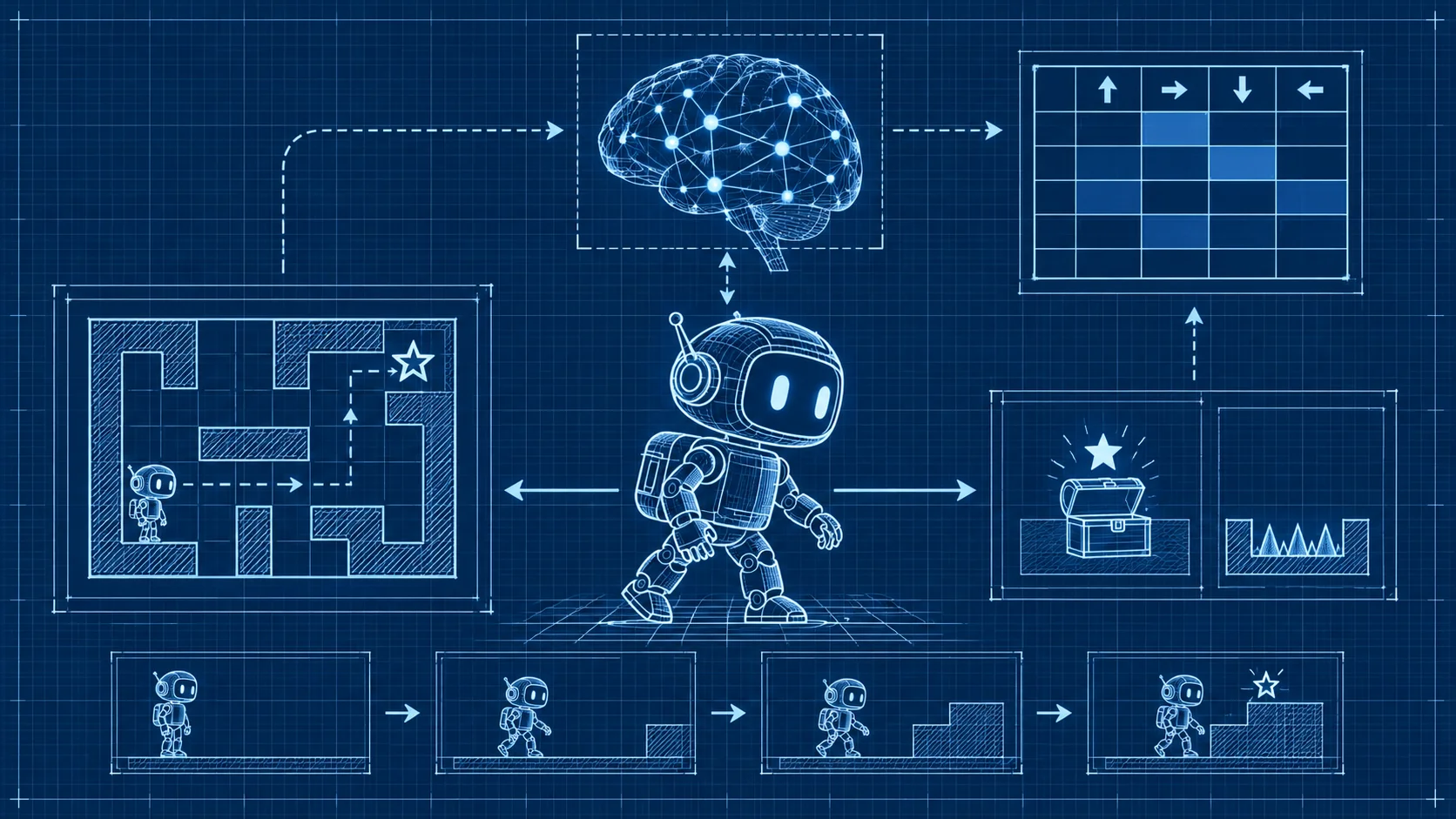
Q-Learning คือเทคนิค Reinforcement Learning ที่ทำให้ AI เรียนรู้ได้ด้วยตัวเองผ่านการลองผิดลองถูก โดยไม่ต้องมีคนสอนทุกขั้นตอน ถ้าคุณเคยสงสัยว่าทำไม AI ถึงเล่นเกมเก่ง หรือหุ่นยนต์ถึงเดินได้เอง บทความนี้จะพาคุณไปทำความเข้าใจตั้งแต่พื้นฐานจนถึงการนำไปใช้งานจริง
Q-Learning คืออะไร
Q-Learning เป็นอัลกอริทึมในกลุ่ม Reinforcement Learning (การเรียนรู้แบบเสริมแรง) ซึ่งเป็นสาขาหนึ่งของปัญญาประดิษฐ์ หลักการทำงานคือปล่อยให้ตัวแทน (Agent) เรียนรู้จากประสบการณ์โดยตรง ทุกครั้งที่ Agent ทำสิ่งที่ถูกต้องจะได้รับรางวัล และเมื่อทำผิดจะถูกลงโทษ จากกระบวนการนี้ Agent จะค่อย ๆ สร้างความรู้ว่าในแต่ละสถานการณ์ควรเลือกทำอะไรจึงจะได้ผลลัพธ์ดีที่สุด
สิ่งที่ทำให้ Q-Learning โดดเด่นคือเป็นแบบ Model-Free หมายความว่า Agent ไม่จำเป็นต้องรู้กฎของสภาพแวดล้อมล่วงหน้า แค่ลองทำแล้วเรียนรู้จากผลลัพธ์ก็เพียงพอ
หลักการทำงานของ Q-Learning
ลองนึกภาพหุ่นยนต์ตัวหนึ่งอยู่ในเขาวงกต มันไม่รู้ทางออก แต่ทุกครั้งที่เดินไปทางไหนก็จะจดจำว่าทางนั้นดีหรือไม่ดี ยิ่งลองหลายรอบก็ยิ่งฉลาดขึ้น นี่คือแนวคิดหลักของ Q-Learning
องค์ประกอบสำคัญ 4 อย่าง
Q-Learning ทำงานผ่านองค์ประกอบหลัก 4 ส่วนที่สัมพันธ์กัน
- State (สถานะ) คือสถานการณ์ปัจจุบันที่ Agent กำลังเผชิญ เช่น ตำแหน่งของหุ่นยนต์ในเขาวงกต
- Action (การกระทำ) คือทางเลือกที่ Agent สามารถทำได้ในแต่ละ State เช่น เดินขึ้น ลง ซ้าย ขวา
- Reward (รางวัล) คือผลตอบแทนที่ได้รับจากการทำ Action ในแต่ละ State อาจเป็นบวกหรือลบ
- Q-Value (ค่า Q) คือค่าประมาณการของรางวัลรวมที่คาดว่าจะได้รับ เป็นตัวบอกว่า Action ไหนดีที่สุดในแต่ละ State
ขั้นตอนการทำงานทีละสเตป
กำหนด State และ Action
ขั้นแรกคือนิยามปัญหาให้ชัดเจน ว่ามี State อะไรบ้างและแต่ละ State มี Action อะไรให้เลือก เช่น ในเกมหมากรุก State คือตำแหน่งตัวหมาก Action คือการเดินหมากแต่ละตัว
สร้างตาราง Q-Table
สร้างตารางที่แถวเป็น State คอลัมน์เป็น Action แต่ละช่องเก็บค่า Q-Value โดยเริ่มต้นจากศูนย์ทั้งหมด ตารางนี้คือ "สมอง" ของ Agent ที่จะถูกอัปเดตไปเรื่อย ๆ
วนรอบการเรียนรู้
ในแต่ละรอบ Agent จะเลือก Action ที่มี Q-Value สูงสุด ทำ Action นั้น สังเกตผลลัพธ์ แล้วอัปเดต Q-Value ตามสูตรของ Bellman Equation กระบวนการนี้ทำซ้ำจนกว่าค่า Q-Value จะคงที่ ซึ่งเรียกว่า Convergence
พารามิเตอร์สำคัญที่ต้องปรับ
Learning Rate (อัตราการเรียนรู้)
กำหนดว่า Agent ให้น้ำหนักกับข้อมูลใหม่มากแค่ไหน ค่าสูง (ใกล้ 1) เรียนรู้เร็วแต่อาจไม่เสถียร ค่าต่ำ (ใกล้ 0) เรียนรู้ช้าแต่มั่นคงกว่า โดยทั่วไปนิยมเริ่มที่ 0.1 ถึง 0.5
Discount Factor (ตัวคูณลด)
กำหนดว่า Agent ให้ความสำคัญกับรางวัลในอนาคตมากแค่ไหน ค่าใกล้ 1 มองการณ์ไกล ค่าใกล้ 0 เน้นรางวัลตรงหน้า ในงานที่ต้องวางแผนระยะยาวควรตั้งค่าสูง
Epsilon (การสำรวจ vs การใช้ประโยชน์)
ใช้ในกลยุทธ์ Epsilon-Greedy กำหนดโอกาสที่ Agent จะสุ่มเลือก Action ใหม่แทนที่จะเลือกตาม Q-Value สูงสุด เพื่อให้ Agent ได้สำรวจทางเลือกที่อาจดีกว่า มักเริ่มจากค่าสูงแล้วค่อย ๆ ลดลงเมื่อเรียนรู้มากขึ้น
การนำ Q-Learning ไปใช้งานจริง
Q-Learning ถูกนำไปประยุกต์ใช้ในหลายอุตสาหกรรม
- AI สำหรับเกม ให้ตัวละคร NPC เรียนรู้กลยุทธ์การเล่นด้วยตัวเอง ตัวอย่างที่มีชื่อเสียงคือ AlphaGo ที่ใช้แนวคิดคล้ายกัน
- หุ่นยนต์อัตโนมัติ ให้หุ่นยนต์เรียนรู้การเดิน หยิบจับสิ่งของ หรือนำทางในพื้นที่จริง
- ระบบแนะนำสินค้า เรียนรู้พฤติกรรมผู้ใช้เพื่อแนะนำเนื้อหาหรือสินค้าที่ตรงใจ
- การจัดการเครือข่าย ปรับแต่งการจัดสรรทรัพยากรเครือข่ายและ Routing ให้เหมาะสมแบบอัตโนมัติ
การเทรนโมเดล AI อย่าง Q-Learning ต้องใช้ทรัพยากรคอมพิวเตอร์สูง หากคุณต้องการรันโมเดลบนเซิร์ฟเวอร์ที่มีประสิทธิภาพ VPS ของ DriteStudio เป็นตัวเลือกที่คุ้มค่าด้วยสเปกแรงและเครือข่ายเสถียร หรือสำหรับงานที่ต้องการพลังประมวลผลเต็มเครื่อง Dedicated Server ก็ตอบโจทย์ได้ดี
แนวทางเริ่มต้นสำหรับมือใหม่
สำหรับผู้ที่อยากลองเขียน Q-Learning ด้วย Python สามารถเริ่มต้นได้ง่าย ๆ ด้วยไลบรารี NumPy สร้าง Q-Table ด้วย np.zeros กำหนดพารามิเตอร์ทั้ง 3 ตัว จากนั้นวนรอบการเรียนรู้โดยให้ Agent เลือก Action อัปเดต Q-Value แล้วทำซ้ำจนกว่าจะ Converge นอกจากนี้ยังสามารถใช้ OpenAI Gym เป็นสภาพแวดล้อมทดสอบที่มี Environment สำเร็จรูปให้ทดลองได้ทันที
คำถามที่พบบ่อย (FAQ)
Q-Learning ต่างจาก Deep Q-Network (DQN) อย่างไร?
Q-Learning ใช้ตารางเก็บค่า Q-Value ซึ่งเหมาะกับปัญหาที่มี State จำกัด ส่วน DQN ใช้ Neural Network แทนตาราง ทำให้รองรับ State ที่ซับซ้อนและมีจำนวนมากได้ เช่น การเล่นเกม Atari จากภาพหน้าจอ
Q-Learning ต้องใช้ข้อมูลฝึกสอนไหม?
ไม่ต้อง Q-Learning เรียนรู้จากการลองผิดลองถูกโดยตรง ไม่ต้องเตรียมชุดข้อมูลฝึกสอนล่วงหน้าเหมือน Supervised Learning แต่ต้องมีสภาพแวดล้อม (Environment) ให้ Agent โต้ตอบได้
Q-Learning เหมาะกับงานแบบไหน?
เหมาะกับปัญหาที่สามารถนิยาม State และ Action ได้ชัดเจน และมีจำนวนไม่มากเกินไป เช่น เกมกระดาน การนำทาง หรือการควบคุมหุ่นยนต์ในงานที่ไม่ซับซ้อนมาก
ใช้คอมพิวเตอร์สเปกแค่ไหนถึงจะรัน Q-Learning ได้?
สำหรับปัญหาขนาดเล็ก คอมพิวเตอร์ทั่วไปก็เพียงพอ แต่ถ้าเป็นปัญหาที่ซับซ้อนหรือต้องการเทรนหลายล้านรอบ ควรใช้ VPS หรือ Dedicated Server เพื่อประสิทธิภาพที่ดีกว่า
สรุป
Q-Learning เป็นเทคนิค Reinforcement Learning ที่เข้าใจง่ายและนำไปใช้งานได้จริง หลักการคือให้ Agent เรียนรู้จากการลองผิดลองถูกผ่าน Q-Table โดยจดจำว่า Action ไหนในสถานการณ์ไหนให้ผลลัพธ์ดีที่สุด เหมาะสำหรับผู้ที่สนใจเริ่มต้นเรียนรู้ AI และ Machine Learning
หากคุณกำลังมองหาเซิร์ฟเวอร์สำหรับทดลองรันโมเดล AI หรือโปรเจกต์อื่น ๆ DriteStudio มีบริการครบวงจรตั้งแต่ VPS, Dedicated Server ไปจนถึง Colocation พร้อมทีมซัพพอร์ตที่พร้อมช่วยเหลือตลอด 24 ชั่วโมง